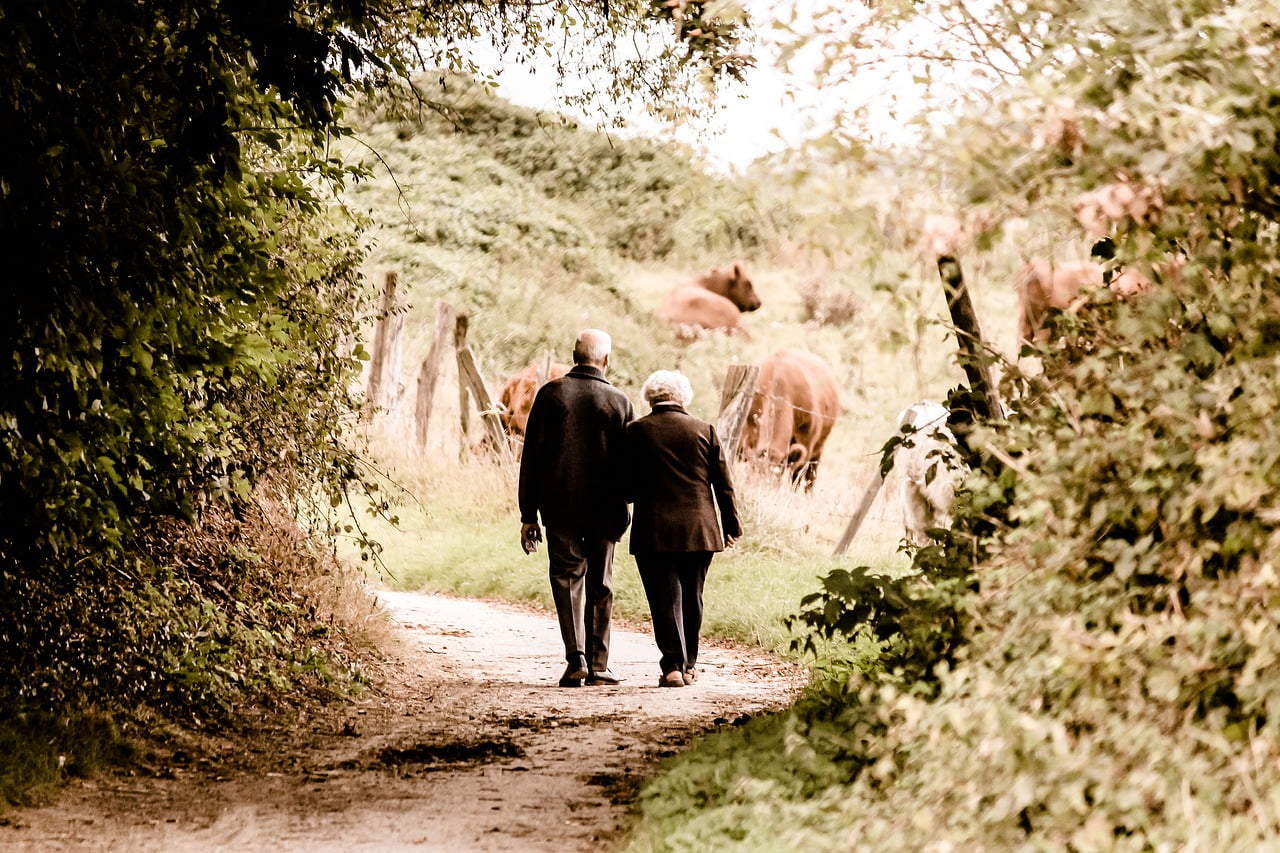
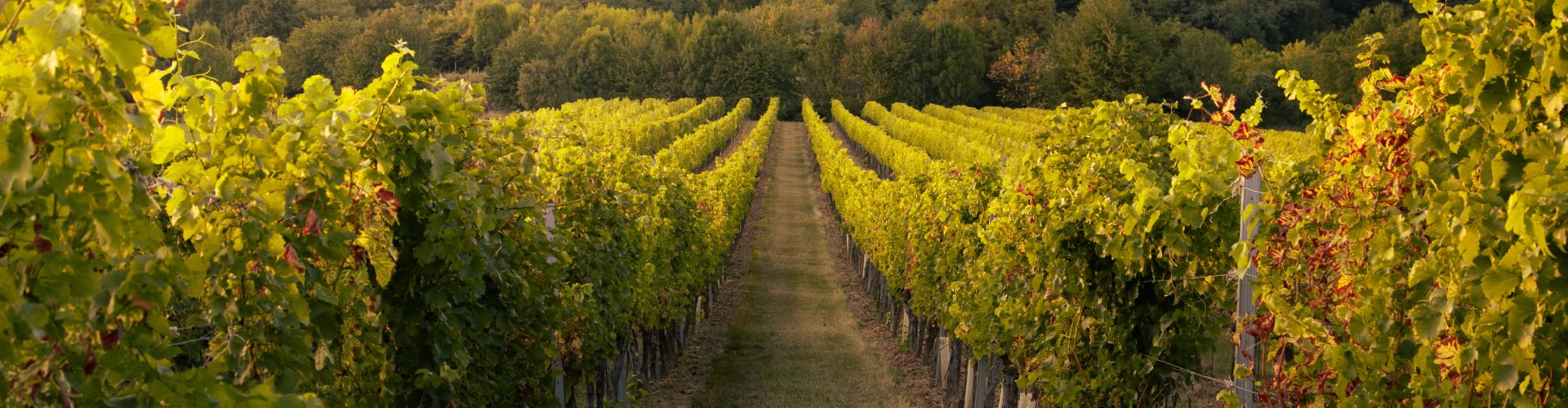
The walks are along vineyards, uneven footpaths, mule tracks and small gravel roads (strade bianche). The trails through the vineyards can become slippery, muddy, and difficult to navigate when wet or after it has rained. The trails do not always have markings.
Luggage transfer is included in your package; this is typically provided by the accommodation itself or by a local taxi service. The allowance is: only 1 piece of luggage of 20kg per person (if they have it's really big, they must mention it at the time of booking, additional cost may be required)
A note on our self-guided adventures and Fitness preparation:
Self-guided walking or cycling requires individuals to use problem-solving skills, be adaptable and have a keen eye. It is recommended that you are comfortable with map reading, referring to route notes and that you have a good sense of direction (or are willing to work on improving this!) Sometimes, route finding, losing your way, finding it again and asking the locals for help is all part of the adventure. If you’ve never been on a self-guided trip, after the first couple of days, you will get the hang of it, as the vast majority of our first-time travellers attest. Please be assured that our written material issued to you for route finding is updated regularly, and we provide a 7-day service hotline in the event of any problems. There is a certain level of the unknown that comes with self-guided trips; however, with a methodical approach, potential problems will be averted. The freedom of a self-guided trip is something that, once experienced, is sought time and time again.
Fitness preparation: The concept behind most of our trips is active holidays, and the fitter you ar,e the more easily you will adjust and enjoy yourself. We expect participants to take responsibility for their fitness and preparations consistently before departure, and to increase the regular weekly training schedule in the two months leading up to departure. That way, when you start walking, you will feel relaxed and comfortable and strong, having done more than sufficient preparation for the trip. You will also have more energy to enjoy the views, take photos and explore the sights in your spare time, rather than just make it to the next hotel. During the day, is when the most interesting features of interest will be found, and being fit allows you to optimise every situation you encounter. As a minimum, we recommend 40 minutes of aerobic-type exercise; running, swimming, biking, hill walking, or gym work two to three times a week for two to six months leading up to your walk. Note the best training is the activity that you are actually going to be doing: walking up and down hill, and cross-country. Practice this as much as possible. Training should be stepped up as you get closer to departure, to an amount you feel appropriate (you don’t want to cause yourself an injury!). Using your gear before departure (boots, day pack, clothing, etc.) gives familiarity and comfort whilst on the walk. It makes sense to know that all your gear ‘works for you’ BEFORE departure, rather than discovering how things work or fit (or don’t!) on the trip you have invested so much in. Use the philosophy of ‘getting fit to go walking’, rather than ‘going on a walk to get fit’, to avoid problems.